Hiking at Point Reyes: A Journey to Tomales Point

Hiking at Point Reyes: A Journey to Tomales Point

Point Reyes National Seashore is a hiker’s paradise, offering a breathtaking blend of coastal beauty, rich wildlife, and rugged landscapes. Among its many trails, the Tomales Point Trail stands out for its unparalleled views, and incredible encounters with nature. My first hike along this trail was nothing short of magical, with the highlight being an up close view of the majestic tule elk.

The Journey Begins

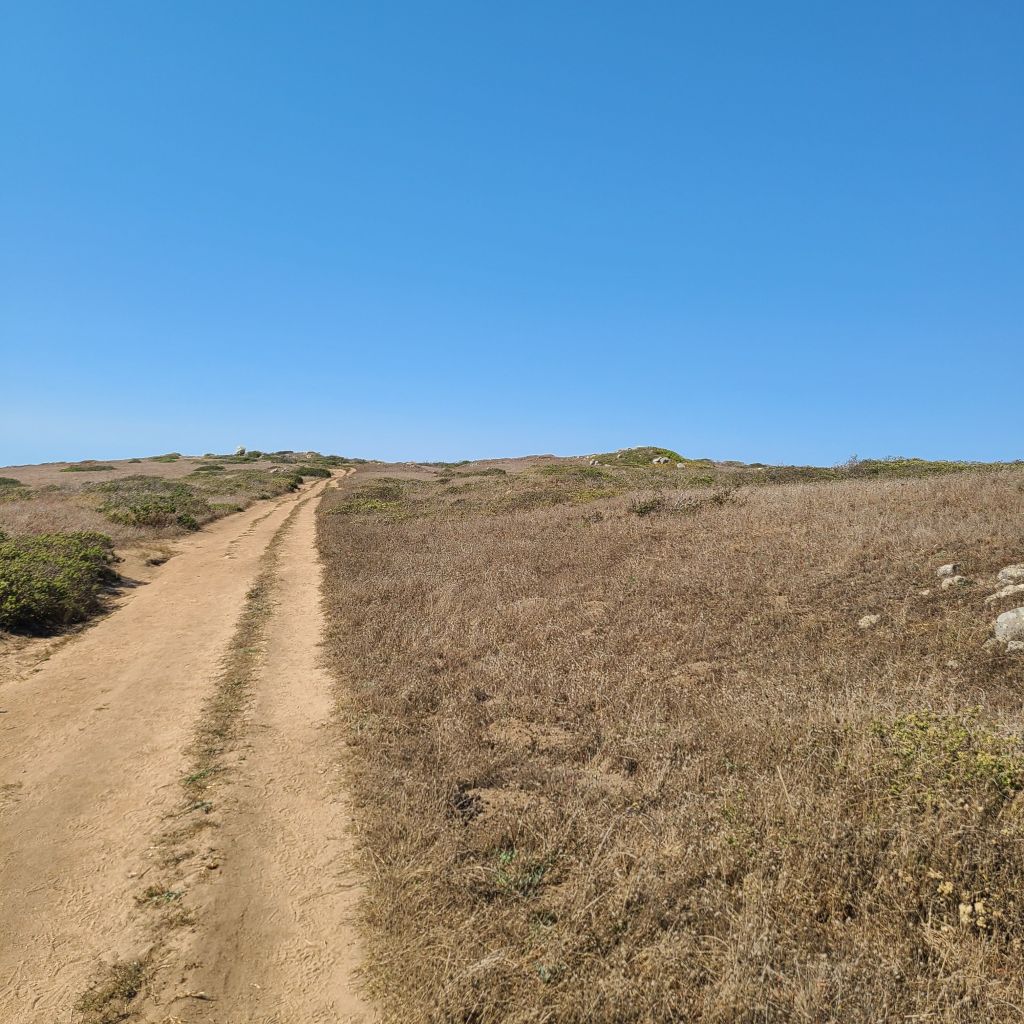
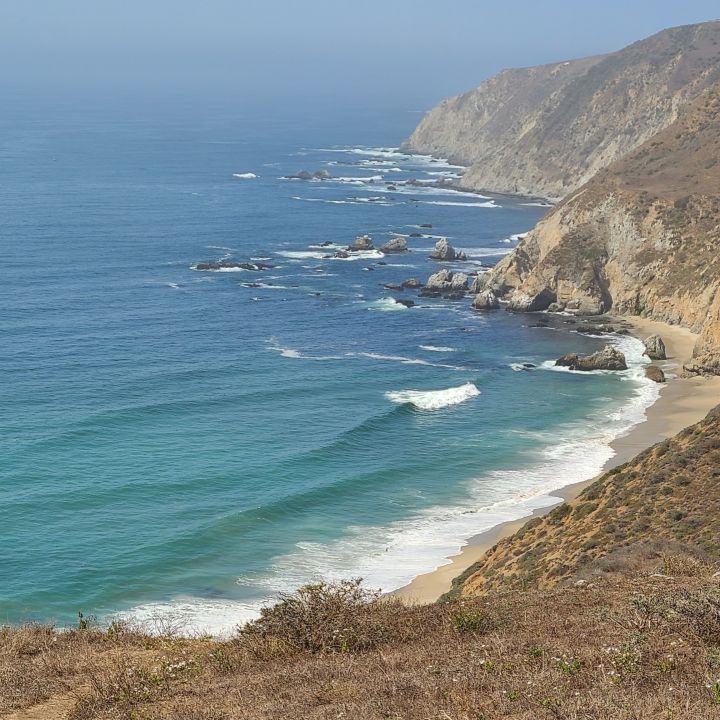
The Tomales Point Trail starts at the historic Pierce Point Ranch, a relic of California’s ranching past. From the trailhead, the path stretches roughly 9.4 miles out-and-back, guiding hikers along a narrow peninsula bordered by the Pacific Ocean and the Tomales Bay. As my hiking partner and I set out to explore this trail, the crisp ocean breeze filled the air, mingling with the earthy aroma of coastal plants. I was taken aback by the spaciousness and expansiveness of this trail and the beauty of the ocean view through most of our hike. It was absolutely captivating.

Enter The Tule Elk: The Stars of the Trail

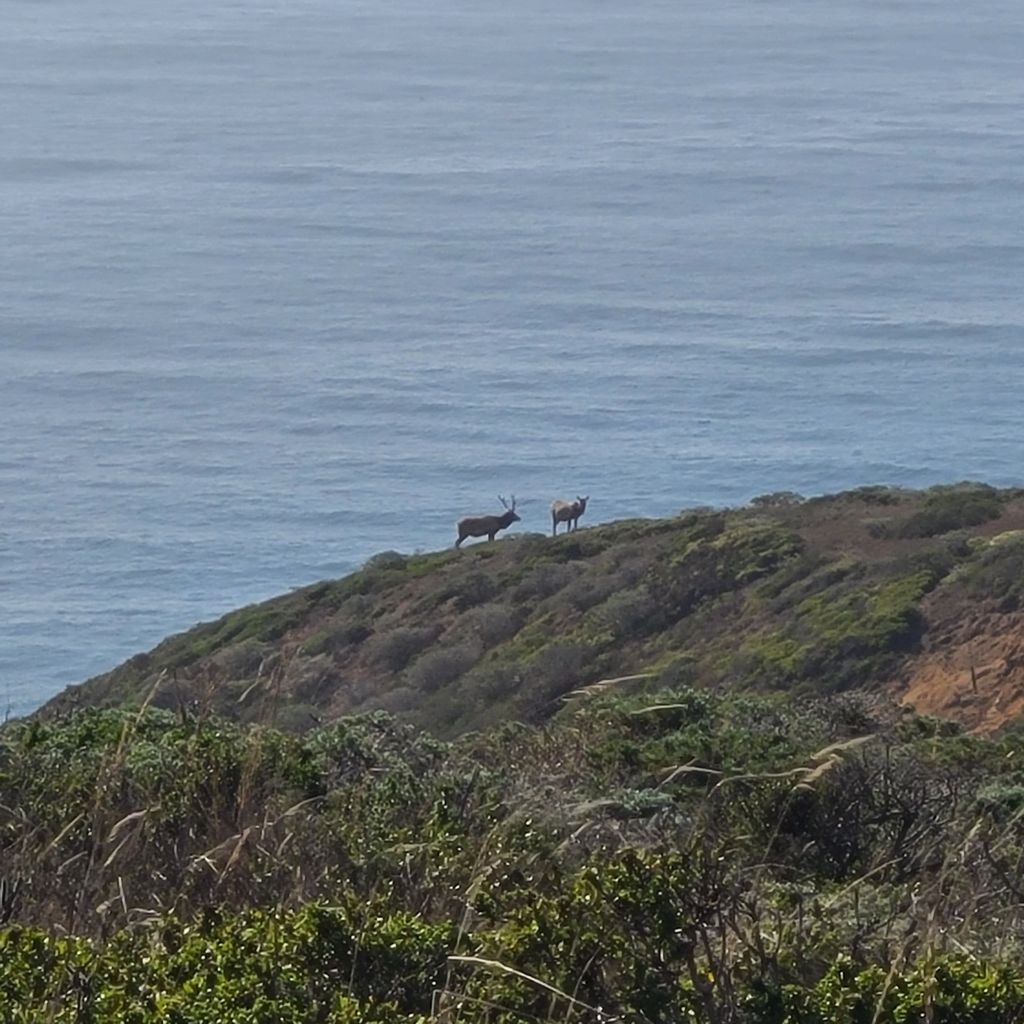
One of the most iconic features of this hike is the tule elk reserve, which is home to a thriving population of these magnificent animals. Tule elk, are a subspecies of elk native to California, and were once on the brink of extinction, with fewer than 30 individuals remaining in the 19th century. Yet, thanks to conservation efforts, they are now able to roam freely at Tomales Point.

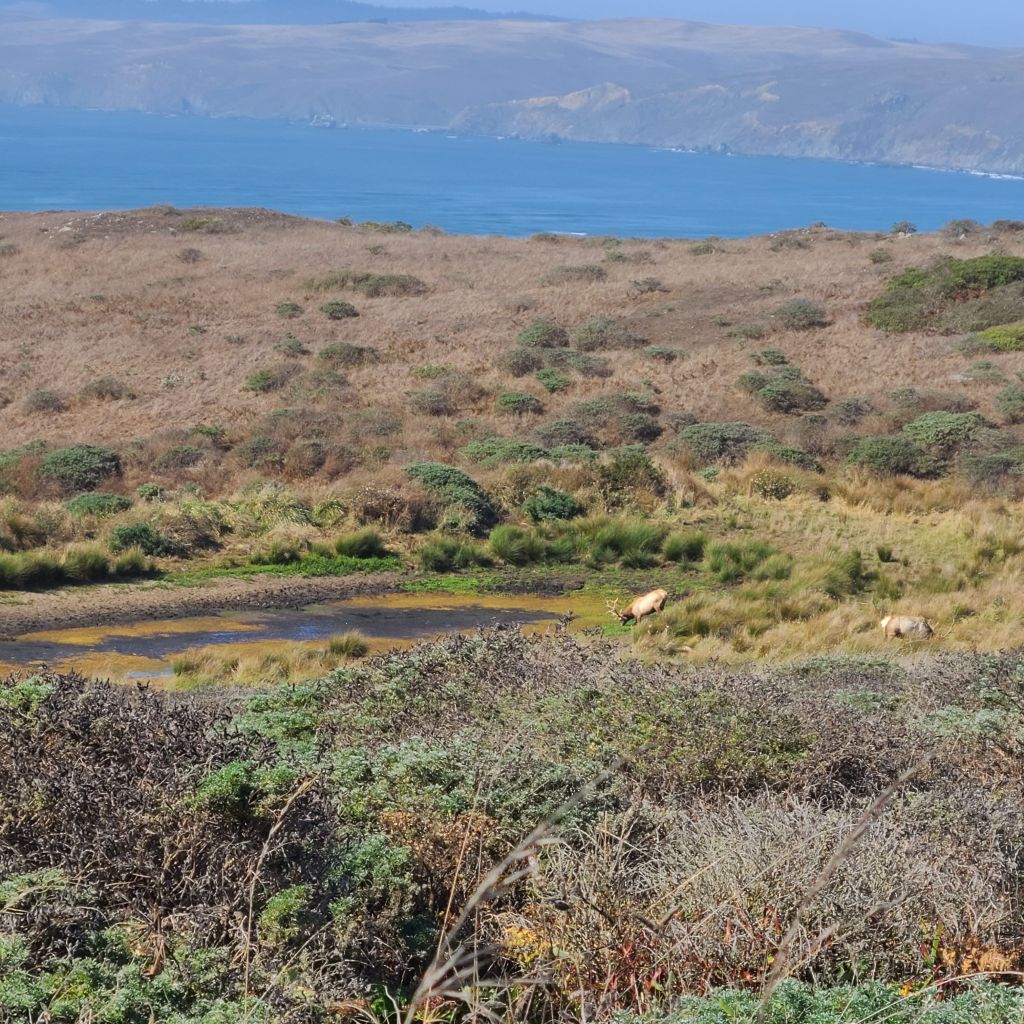
We were lucky enough to be able to spot several elk along the rolling hills in the distance, and we even got to watch some of them up close, (but from a safe and comfortable distance), as they gathered near the end of the trail at a natural watering spot. Their stately antlers silhouetted against the rolling hills in the background. Observing them in their natural habitat was a humbling experience, reminding me of the importance of preserving these landscapes for these beautiful creatures and their future generations.

A Coastal Plant Life Wonderland

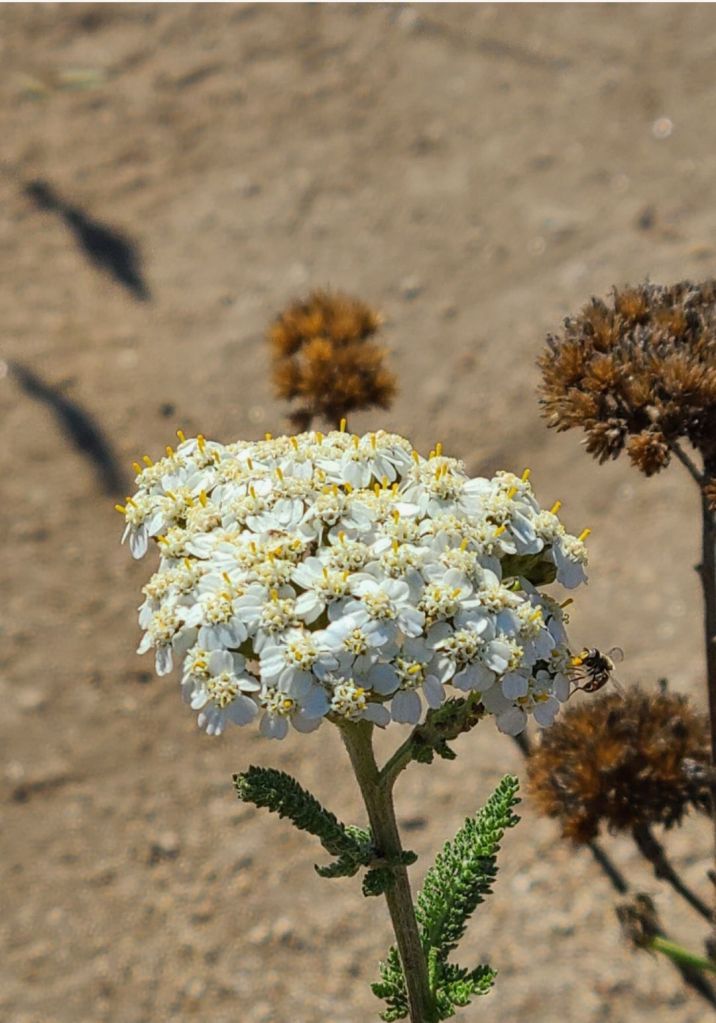
The trail is also a haven for plant enthusiasts. In spring and early summer, the path bursts into color with wildflowers like California poppies, yarrow, lupine, and Indian paintbrush. Even in other seasons, the rugged beauty of coastal sagebrush, coyote brush, and succulent plants like ice plant adds charm to the landscape. The vegetation not only enhances the trail’s visual appeal, but also supports a wide array of wildlife.

Encountering Wildlife

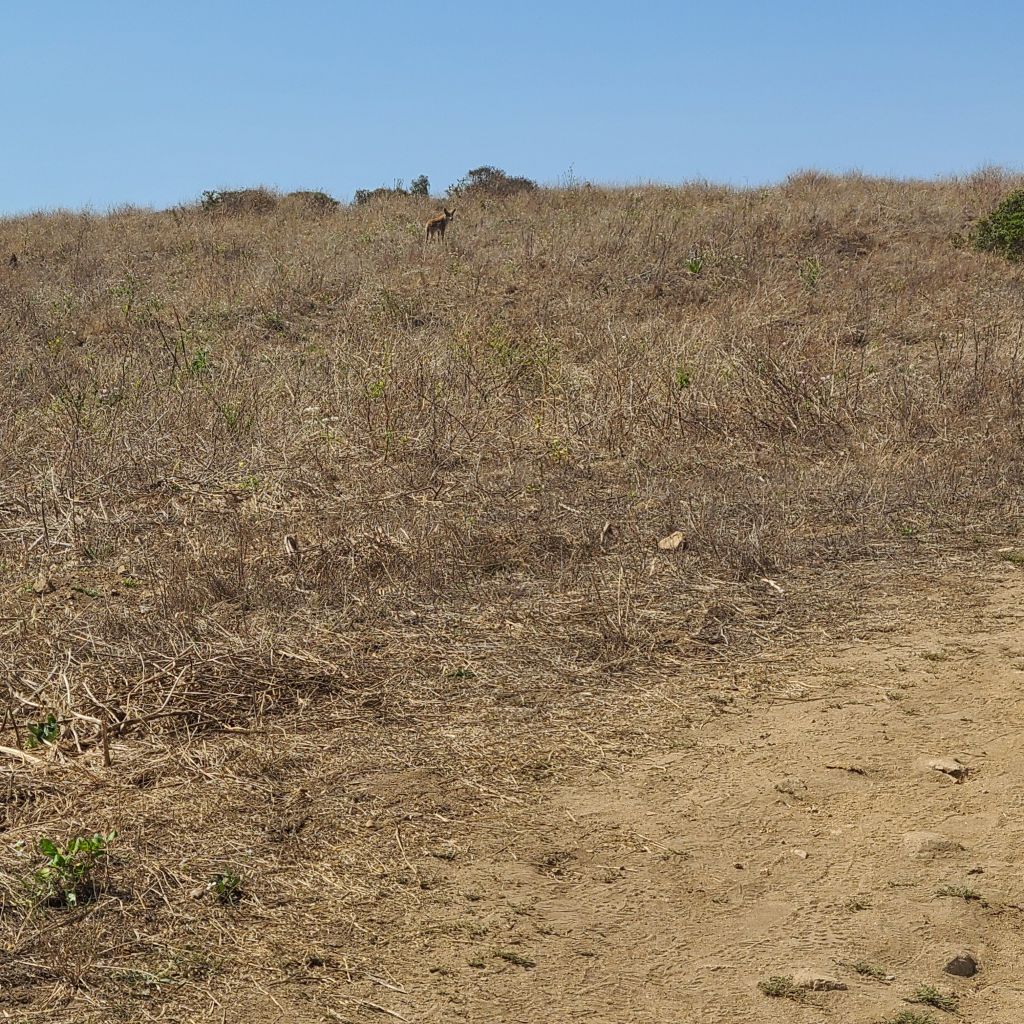
In addition to the tule elk, we encountered a variety of wildlife along the trail. Black-tailed deer darted gracefully through the brush, while red-tailed hawks soared overhead. I even spotted a coyote before we even got on the trail back near Pierce Point Ranch. It caught me off guard and I was a little frightened at first but soon realized that it had something else holding its interest. It wasn’t thinking about me and I was able to capture a few photos of it. It was right then that I knew that this hiking trip was going to be very interesting. There were also smaller animals like California quails and lizards which added their own distinctive charm to the hike as well. As was the occasional sighting of harbor seal basking on the distant shores below us on the Tomales Bay — this too was a pure delight.

Interesting Facts About Tomales Point + Point Reyes

  1. Geology: The Point Reyes Peninsula lies on the San Andreas Fault, and its unique geology make it a fascinating destination for earth science enthusiasts.
  2. Biodiversity: Point Reyes boasts over 1,500 species of plants and animals, making it one of the most biodiverse areas in California.
  3. Marine Life: The surrounding waters are par of the Greater Farallones National Marine Sanctuary, home to gray whales, elephant seals, and other marine species.
  4. History: The area has rich history, from the indigenous Coast Miwok people to its later use as ranchland during the Spanish and Mexican eras.

Tips for Hiking the Tomales Point Trail

  • Dress in layers because the coastal weather can change rapidly, so it’s best to be prepared for wind and/or fog.
  • Make sure to bring enough water and food/snacks because this trail is fairly long, and a little steep and challenging in some areas. You’ll need to stay both hydrated and energized.
  • Wear a hat or cap and protect your skin because there is little to no shade on this trail.
  • Don’t forget your insect repellent and sunscreen.
  • Bring binoculars if you really want to enhance your wildlife watching experience, especially for spotting tule elk and distant seabirds or seals, etc.
  • Bring a portable phone charger – just in case – because, although gorgeous, it is a long trail.
  • Start your hike on this trail early because there isn’t a lot of parking available and parking spaces tend to fill up very quickly — and an early start can really help you get the most out of this hiking experience and enjoy it to the fullest.

Finding Peace in Nature

For me, hiking at Point Reyes and along the Tomales Point Trail was a deeply spiritual experience. The vastness of the ocean, the beauty of the fauna and flora, and the quiet moments surrounded by nature reminded me why I turn to the outdoors for peace and clarity.

If you’re seeking an unforgettable hike that combines natural beauty, wildlife encounters, and a touch of history, Tomales Point is the perfect choice. It is a place that stays with you long after the hike ends. I can still feel it gently calling me back for more adventures.

Have you hiked at Pointe Reyes, or the Tomales Point Trail? I’d love to hear your experience along with any tips that you might have for my next trip.

Thank you for reading.

Until the next time.

Take care and be well.

— Carol
An Experience in Late Spring Desert Soothing

An Experience in Late Spring Desert Soothing

Hello Everyone and Happy Thursday! I just returned home from a slightly extended, (and much needed), trip to one of my favorite places to visit in Southern California – Joshua Tree National Park.

It was exciting, relaxing and wonderful as usual – this was my third time visiting this national park.

I missed not going last year, tremendously, because I was deep in the throes of overcoming grief, and I didn’t realize exactly just how much I missed the desert until I was finally able to once again step foot onto the coppery, tawny hued hot sand and dirt of the very beautiful Mojave-Colorado desert inspired landscape of Joshua Tree National Park. You really have to visit this part of the earth to truly appreciate just how welcoming it is.

To back track a little bit, I didn’t go last year because it just didn’t feel right. I even made reservations twice last year, and cancelled them just as soon as I made them. So, I know deep down I wanted to go badly, but my need to hibernate at home and learn how to live without my youngest child was so much stronger. Sometimes I think that my son may have even had a hand in my not going because I was no where near ready to enjoy myself – as one should when on vacation.

My last visit was just a few months before my son’s death, so as you can probably imagine, this trip brought back so many memories of when he was still physically in my life.

This year though, I was more prepared for the adventures and physical exertion required for such a trip; as well as the opportunity to release some really heavy internal turmoil and manifest a hint of personally relevant rehabilitation. The desert offers many opportunities for reflection and healing and my heart and mind are now in a good place – a place of equanimity.

This trip was quite different from my previous trips to Joshua Tree National Park in that it was less about reaching a specific peak, enduring a strenuous trail, or taking a lot of pictures so that I could post them to Instagram. In fact, for the first time ever while traveling, I gave extra attention to avoiding my smartphone while away. I wanted to make sure that I would be fully immersed in my trip, and that required me to be fully present in every moment so that I could obtain the most from my experience with nature, and the culture of the area, while there. Trust me, it was by no means easy, and I was tempted to get on my phone a few times to post photos on social media and to create a post here on Salubrity and Soul, but I didn’t and I am glad that I was able to keep my promise to myself and to ensuring that I would be able to have the best possible connection to my trip experience.

I did take a few photos eventually though, because I had to have something to remind me of my trip besides the Joshua Tree t-shirt that I bought. I just made sure that capturing photos from my trip just so that I could let everyone know what I was up to at the moment was not my main focus – or a focus at all.

This trip was was less about physical activity and more about becoming one with nature, more specifically, the desert – and and allowing it to teach me about surviving, overcoming, adjusting to harsh conditions and thriving while in that state.

I love being in the desert and I figured if anything was going to propel me to another level of healing in my bereavement it would be within the lessons learned from watching the example of resilience from the delicate but oh-so-mighty desert.

One of the first things that I noticed was the abundance of plant life and wildlife at Joshua Tree National Park this year. It was obviously more green and more bright with colors from a variety of plant species that were dormant during my last visits – (and my 2017 visit was pretty exciting as far as seeing color and running into fauna was concerned, so that should give you a little hint to the eye-catching changes that left me in awe.) I concluded that my increased sightings of lizards, birds, insects, desert rats and rabbits were the result of the increased plant life which undoubtedly was the result of the fact that the desert had received quite a bit of rain earlier this year. This part of my trip was something that I enjoyed witnessing as it made my trip even more pleasurable and in a lot of ways – more spiritual.

Joshua Tree National Park emits such a deep, raw energy within its boundaries that I would describe as being very cleansing. Maybe it has something to do with it being a high desert, or maybe it is because when you are out there it is almost as though you are visiting another planet, or because the desert holds a great deal of “fire energy”, or perhaps it is due to it being a vast land once inhabited by ancient natives and still feels like it.

Whatever the reason, many people, myself included, love to visit this desert public land for the visual aesthetics, the physical activity offerings and the spiritually stimulating opportunities.

Had I decided to go last year, I know that I would not have enjoyed myself as much. It would have been a very solemn and mentally draining trip and I don’t believe that I would have been able to even entertain the thought of going out for a hike each day; or try new restaurants in the area like I was able to while on this trip. It feels very good to be able to open up myself up to new experiences once again – and in a place that fills me with so much joy and peacefulness.

Have you ever gone on vacation only to return home feeling as though you now need a vacation from your vacation? I have, but that never happens to me after visiting Joshua Tree.

I am grateful for every moment of mindfulness along the trails that I hiked and every awe-inspiring view that captured my attention and my heart. The connection that I receive with every visit here never fails me. This time is no different. Right now I feel transformed, invigorated and inspired to share the lessons of resilience that I learned from the desert.

Thanks for reading!

Until the next time,

Take care + be well